
Sciatica is a very common condition that causes lower back and leg pain for millions of people around the world. Most people don’t pay attention to the 7 early signs of sciatica you should never ignore until the pain is significant enough to disrupt daily activities, work or sleep.
Fortunately, initial detection of symptoms and prompt treatment can stop chronic pain from setting in and reduce the risk of damage to the nerves.
At Lahore Spine Care
Dr. Ejaz Danish treats patients with sciatica frequently with evidence-based physiotherapy and spine rehabilitation techniques.
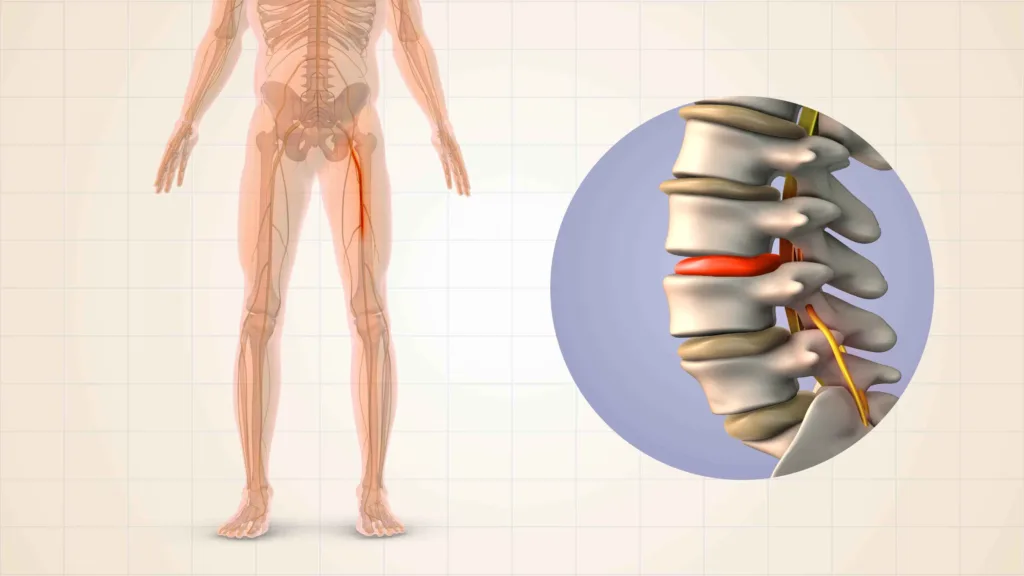
What Is Sciatica?
Sciatica is a form of pain that is caused by the irritation or compression of the largest nerve in the body, which is the sciatic nerve. The sciatic nerve begins in the lower back and passes through the hips and buttocks and down each leg.
Common causes include:
- Herniated or slipped disc
- Spinal stenosis
- Degenerative disc disease
- Poor posture
- Prolonged sitting
- Tightness or damage to muscles.
- Lower Back Pain
One of the first indications of sciatica is constant lower back pain. The pain can be dull, aching or sharp, and can become worse after sitting for a long time.
It is often confused with normal muscle fatigue; however, persistent back pains shouldn’t be taken lightly.
When to Worry(early signs of sciatica)
When pain persists for a longer period than a few weeks.
Pain that spreads into the hips or legs.
Difficulty standing straight
- Pain down one leg.
Sciatica usually affects one side of the body. The pain can radiate from the lower back down the buttock to the back of the thigh, calf or foot.
The shooting pain is a symptom of sciatica.
- Common Descriptions
- Electric shock-like pain
- Burning sensation
- Sharp stabbing discomfort
- Numbness or Tingling
A tingling sensation, or what’s known as “pins and needles”, could happen in the foot or in the leg. Partial numbness is another symptom that some patients experience.
This is because the compressed nerve is unable to send out its signals properly.
Areas Commonly Affected
Toes
Foot
Calf
Back of the thigh
- Leg weakness (muscle weakness in the legs)
As the sciatica worsens, muscles that are innervated by the sciatic nerve can become weak.
You might notice:
- Difficulty climbing stairs
- Difficulty getting up onto your feet. Inability to pick up the foot.
- Weakness while walking
- Reduced balance
One of the key indicators is muscle weakness, which can cause permanent damage if not treated and if the nerve is compressed for too long.
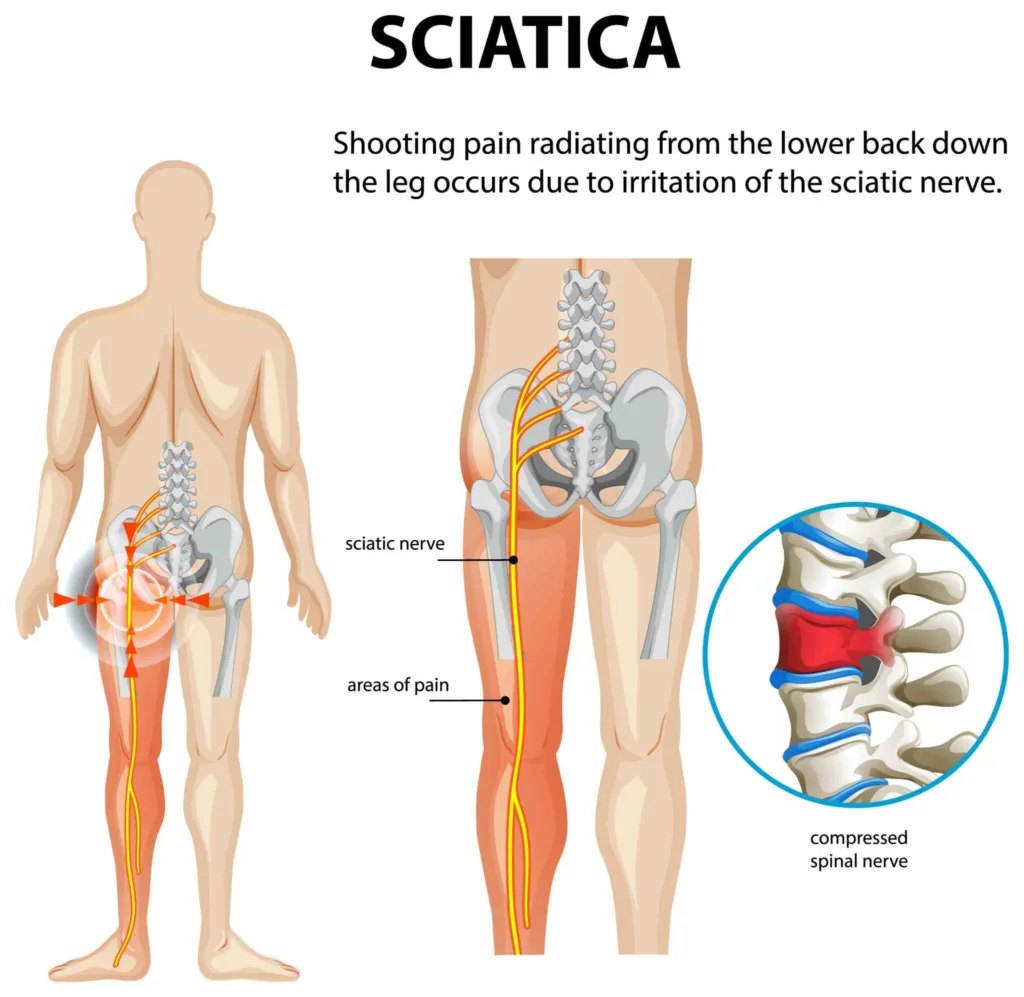
Sciatic pain can feel like burning, hot or electric in many patients (early signs of sciatica)
This kind of nerve pain tends to get worse:
- While sneezing or coughing.
- While bending forward
- After prolonged sitting
- 7 early signs of sciatica
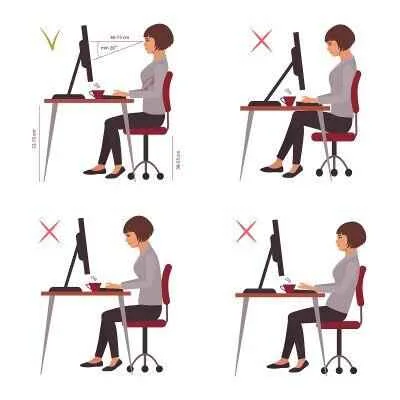
Sitting causes additional strain on the lower spine and sciatic nerve. Sciatica may be responsible if the pain intensifies while working at the office, driving or sitting for extended periods of time.
Simple Tips
- Use lumbar support
- Use standing breaks during the day (30 minutes for each break)
- Maintain proper posture
- Avoid slouching
- Any problems walking or standing.
As the symptoms of sciatica progress, walking and standing can be painful.
Some patients experience:(when you feel 7 early signs of sciatica)
- Limping
- Reduced walking tolerance
- Temporary pain following standing. Transient pain following standing.
- Leg heaviness
Failure to act on these signs could cause the condition to develop.
What Causes Sciatica?
There are a number of spinal conditions that can lead to compression of the sciatic nerve:
The structures of the spine can be damaged due to wear and tear with age.
When to visit a physiotherapist?
If you notice that you need professional assistance, you should:
The pain doesn’t go away after 1–2 weeks.
The disease gets worse with time.
You feel numbness or weakness
Daily living is impaired. Daily living is challenged.
Having difficulty with sleep or walking due to pain
Physiotherapy intervention is very beneficial as soon as possible in recovery.
Physiotherapy Treatment For Sciatica. Physiotherapy For Sciatica.
At Lahore Spine Care
Treatment may involve:
- Manual therapy
- Dry needling
- Stretching exercises
- Core strengthening
- Posture correction
- Electrotherapy
- Nerve mobilization techniques
Treatment aims to decrease nerve pressure, alleviate pain and restore mobility in a natural way, avoiding surgery if at all possible.
How can I avoid sciatica pain?
- Maintain good posture
- Exercise regularly
- Strengthen core muscles
- Avoid prolonged sitting
- Lift heavy objects correctly
- Stay fit and healthy
Final Thoughts for early signs of sciaticaSciaticasciatica treatmentSciaticasciatica treatmentSciatica
- Sciatica may start out with a mild symptom and gradually increase over time. Left untreated, the early signs can progress to major pain, weakness and complications.
- If you know what to look out for, you can treat the symptoms properly and recover soon and also avoid future flare-ups.
- For those who have back pain, leg pain, numbness and tingling, please consult Dr. Ejaz Danish at Lahore Spine Care.
For assessment and individual physiotherapy treatment.